MCP
-
⏱︎
Read time:
4–6 minutesYour API Can’t Be a Model Context Protocol (MCP)
Read More →: Your API Can’t Be a Model Context Protocol (MCP)Introduction: In the world of AI-powered applications, it’s easy to assume that exposing your existing APIs to an LLM magically turns them into a Model Context Protocol (MCP) server. After all, both provide endpoints and functions, right? If you’ve been…
-
⏱︎
Read time:
3–5 minutesBuilding a Complete Model Context Protocol (MCP) Implementation with .NET and Microsoft Graph API
Read More →: Building a Complete Model Context Protocol (MCP) Implementation with .NET and Microsoft Graph APIIntroduction: The Model Context Protocol (MCP) represents a standardized approach for AI systems to interact with external data sources and services. In enterprise environments, where AI applications need to access organizational data from various sources like Microsoft Graph, SharePoint, or…
-
⏱︎
Read time:
2–3 minutesExposing ASP.NET Core APIs as MCP Servers with HTTP Transport
Read More →: Exposing ASP.NET Core APIs as MCP Servers with HTTP TransportIntroduction: In my earlier post, I explained how to build your first MCP server using .NET and connect it to VS Code. Now, let’s take it a step further by converting an ASP.NET Core Web API into an MCP server…
-
⏱︎
Read time:
3–5 minutesBuilding Your First MCP Server in .NET with VS Code
Read More →: Building Your First MCP Server in .NET with VS CodeIntroduction: In my previous article, Understanding MCP – Model Context Protocol, I introduced the basics of MCP and why it is becoming an essential part of the AI developer ecosystem. In this article, we will see how to build a…
-
⏱︎
Read time:
3–5 minutesUnderstanding MCP (Model Context Protocol)
Read More →: Understanding MCP (Model Context Protocol)Introduction MCP is an open protocol that allows applications to send context to large language models (LLMs). You can think of MCP as a USB-C port for AI. Just like USB-C gives a standard way to connect your phone or…
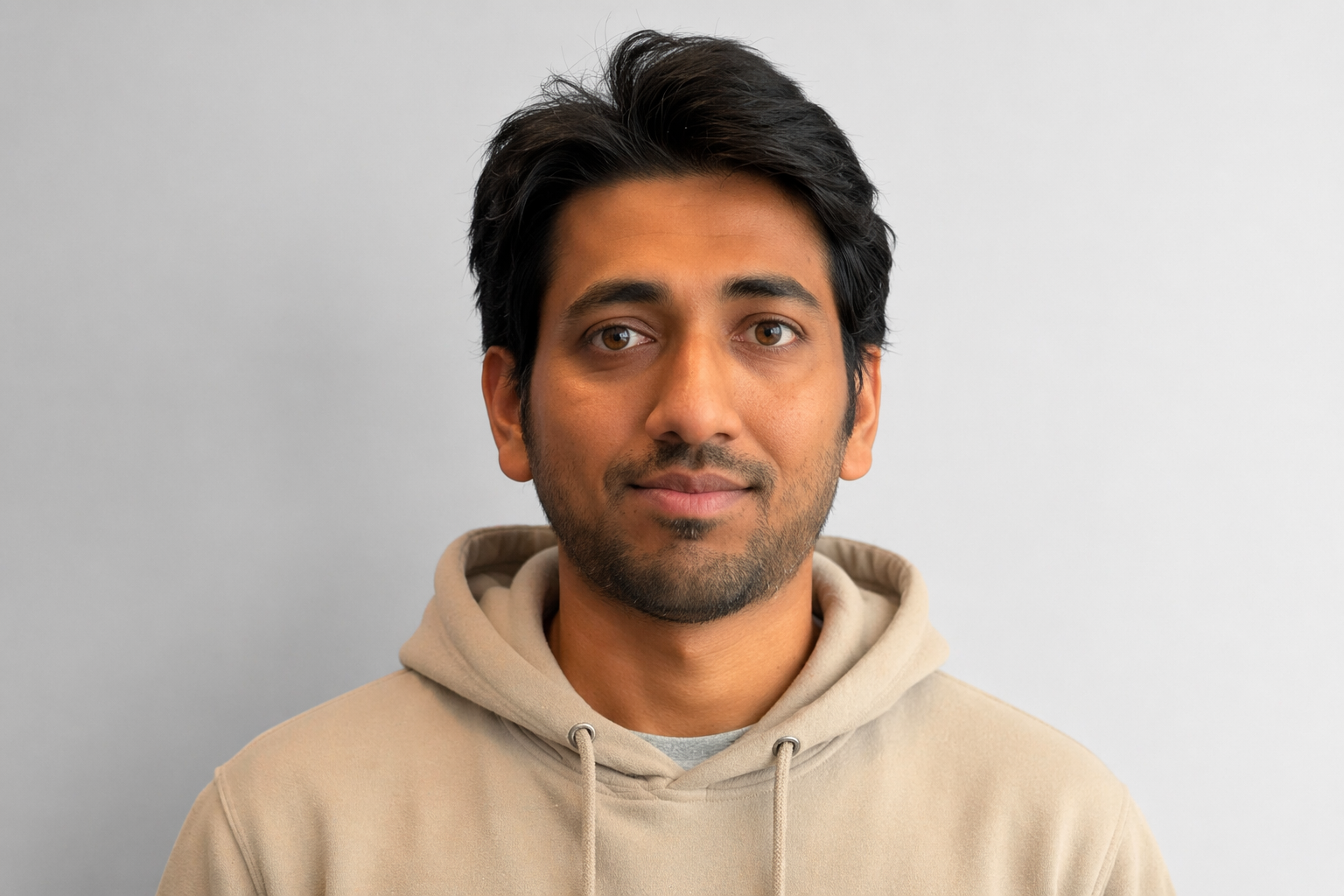
Gowtham Kumar
I am Gowtham K, a traveler, tech blogger, and a 10x Microsoft Most Valuable Professional (MVP), recognized for my exceptional contributions to the Microsoft ecosystem.